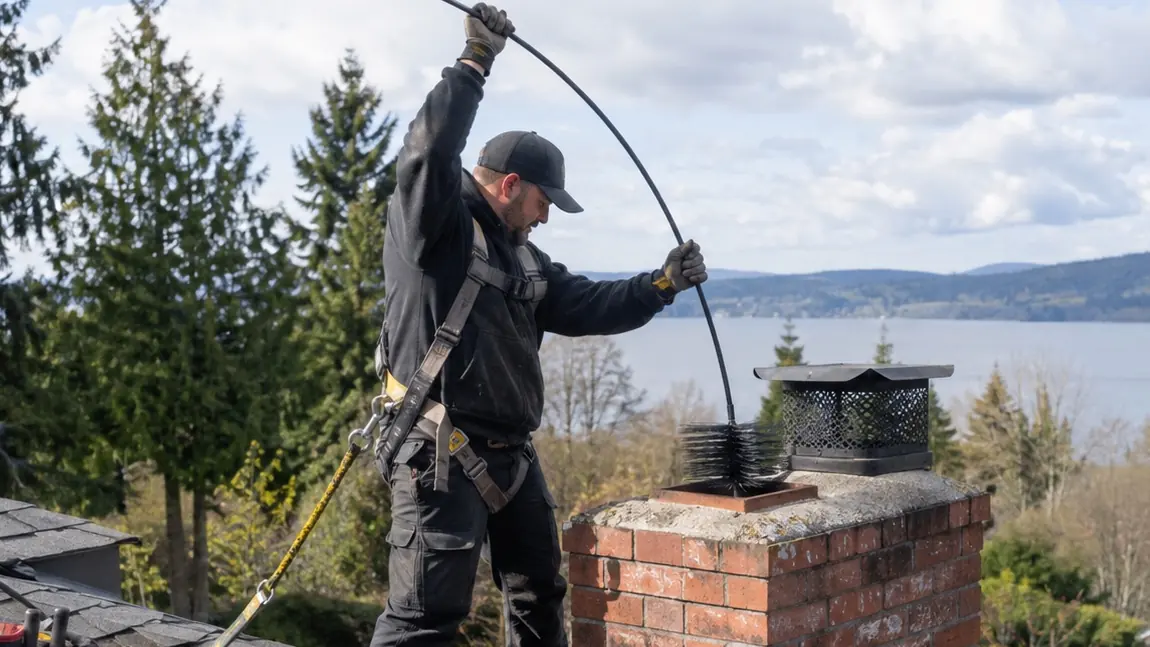
Chimney Sweep in Cornwall, New York
Sweeping, inspection and repair for fireplaces, wood stoves and heating appliance flues — done cleanly, explained plainly, and never sold to you when it is not what the chimney needs.
- Licensed & Insured
- Certified technicians
- Serving Cornwall & the Hudson Valley
Chimney services we provide
Every service below is work we carry out ourselves across Cornwall and the surrounding towns — and if what you need falls outside the list, we will tell you rather than take the job.
$69
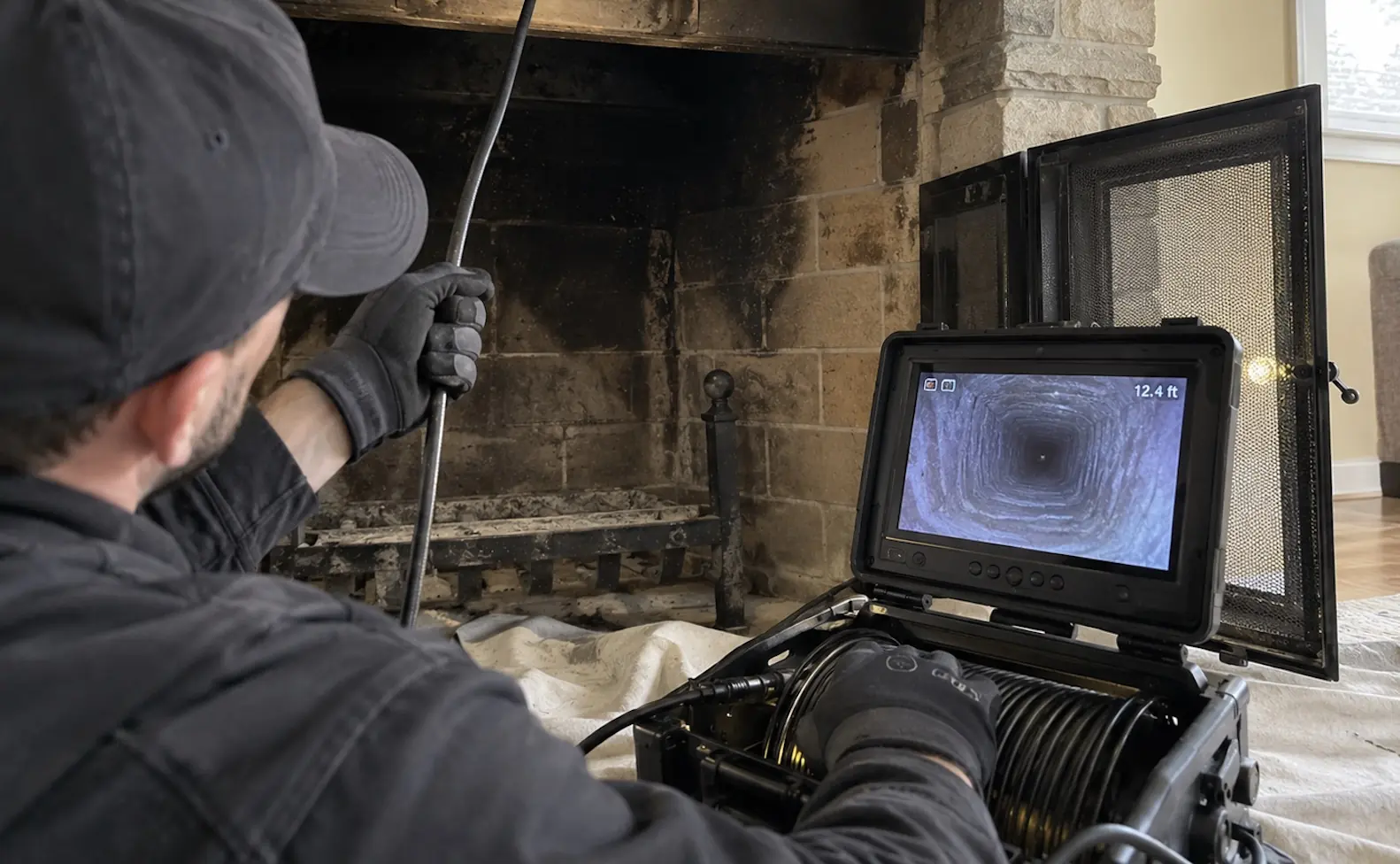
A $69 inspection tells you what the chimney actually needs
It covers the flue, liner, firebox, damper, smoke chamber and accessible exterior masonry, with a camera scan where the flue cannot be assessed from either end. You get a plain explanation of anything found — what it is, what causes it, and whether it needs doing now.
 01 — Repair
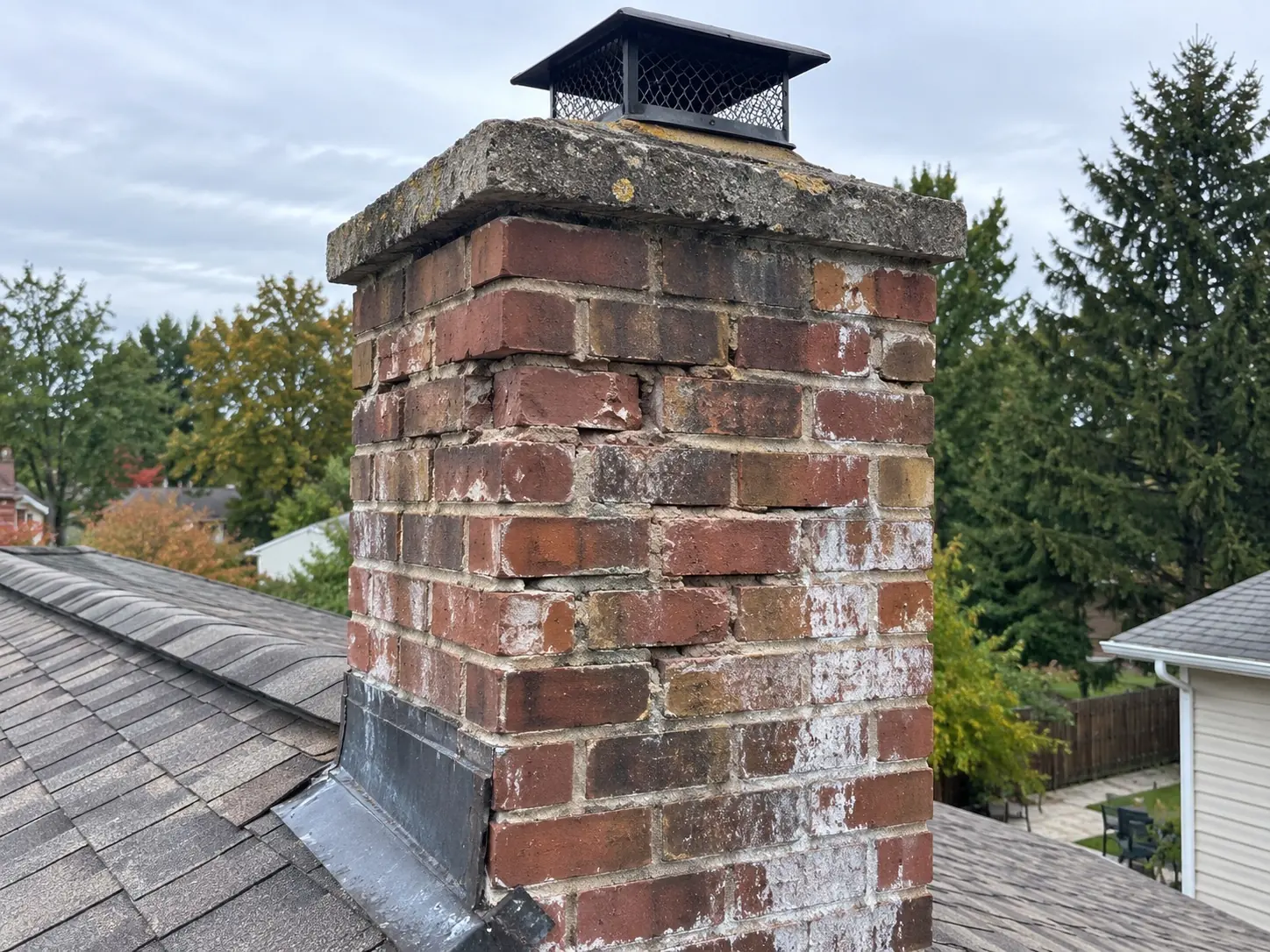
Chimney repair
Not sure what is wrong? Start with the symptom — staining, crumbling mortar, a damp patch on the ceiling, a draft that reverses — and work back to the cause.
See the diagnostic →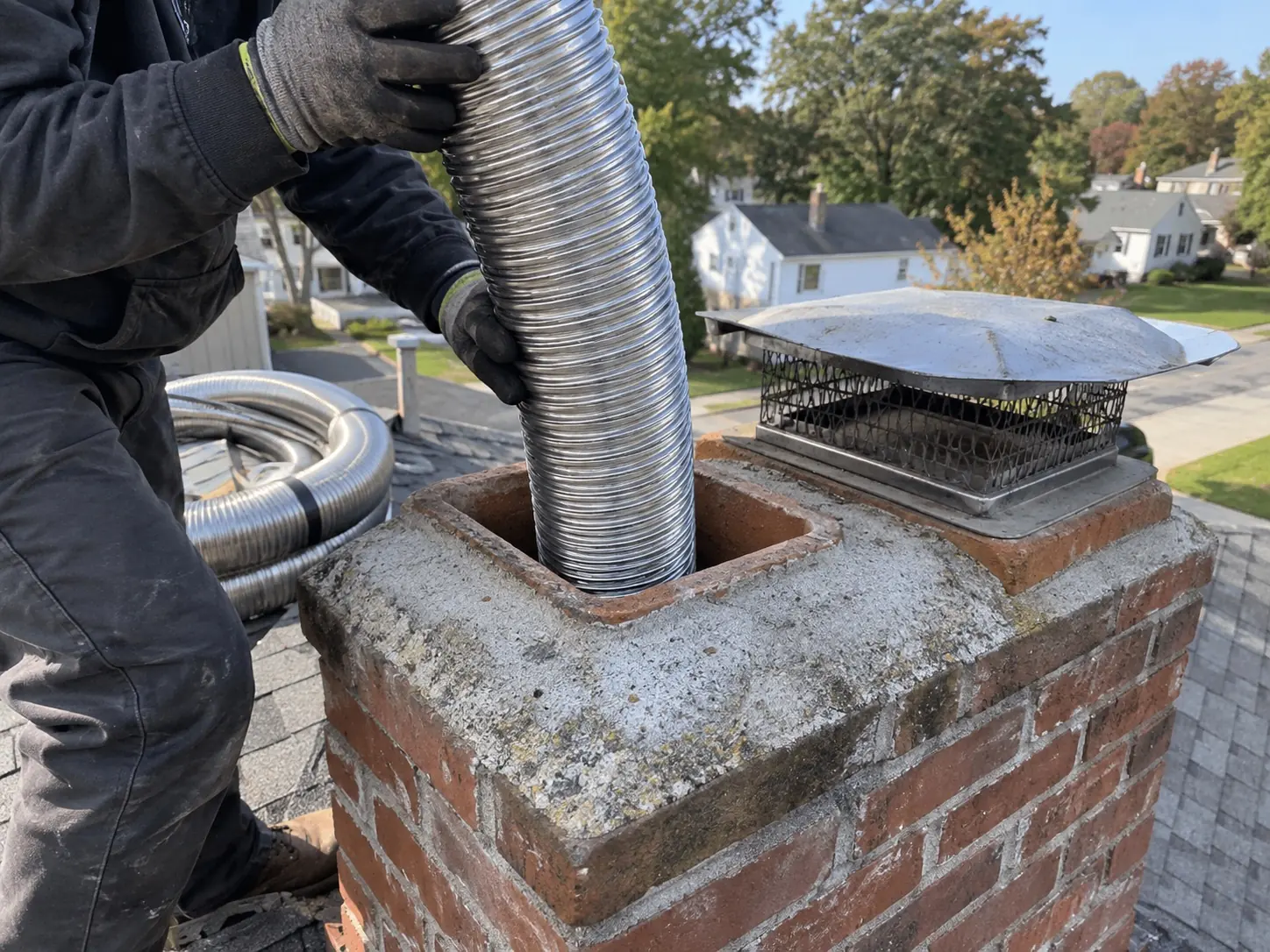 02 — Liners
Liners and relining
Stainless liner installation and relining for open fireplaces, wood stoves and oil or gas heating appliances, including flue sizing for a replacement furnace.
View the service →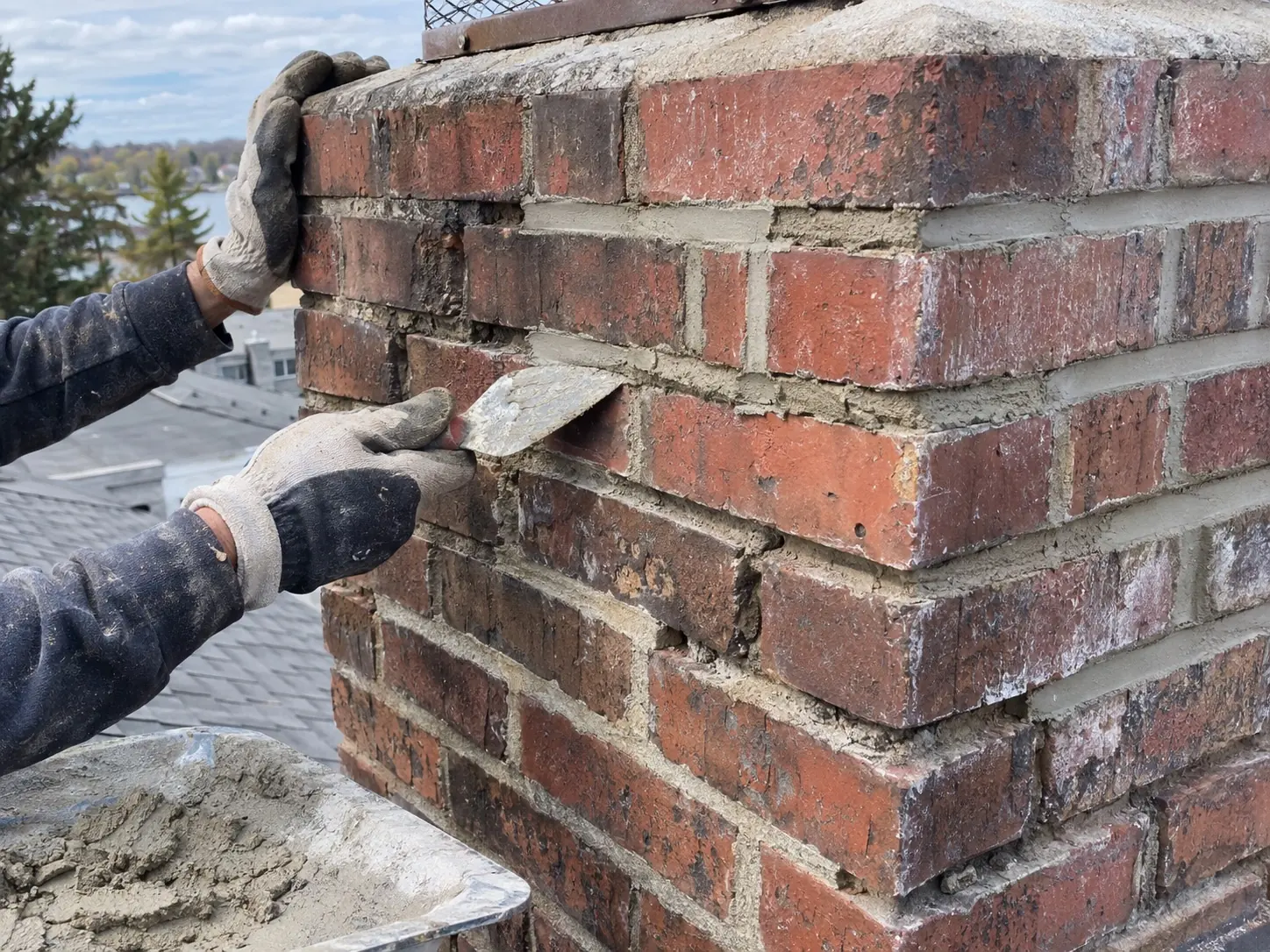 03 — Masonry
Masonry, repointing and rebuilding
Repointing failed mortar joints, replacing spalled brick, rebuilding crowns and rebuilding chimneys from the roofline up when repair is no longer honest.
View the service →- Chimney sweeping & cleaning Fireplace, wood stove and heating appliance flues, swept under vacuum with the room protected. View
- Leak and flashing repair Finding where water is actually entering — flashing, crown, cap, brick or condensation — before anything gets sealed. View
- Chimney waterproofing Vapour-permeable sealing that keeps rain out of the masonry while still letting the chimney dry. Only worth doing once the masonry is sound. View
What a chimney sweeping actually removes
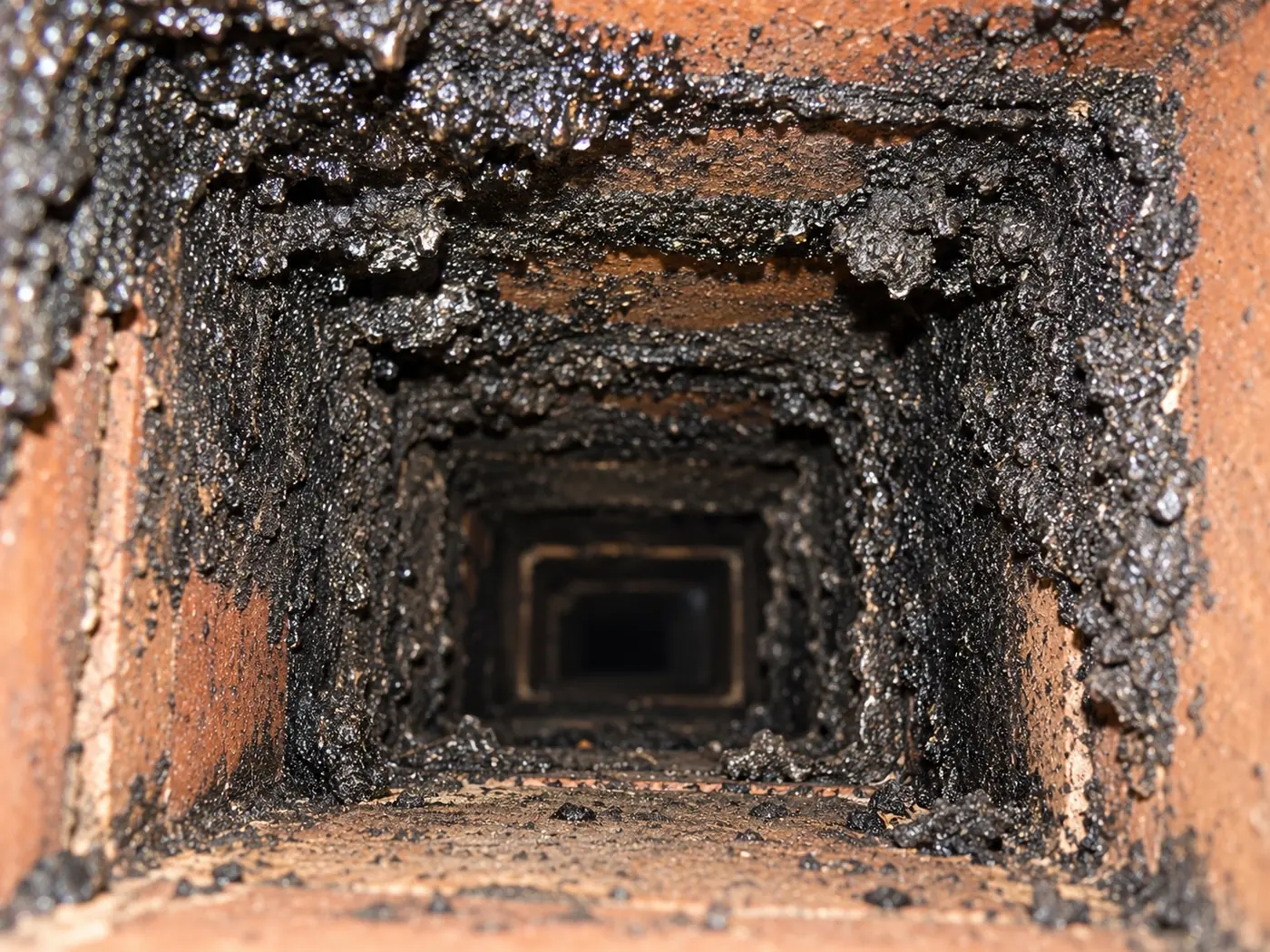
Burning wood never burns completely. The unburned gases and moisture that go up the flue cool as they rise and condense on the walls as creosote — and creosote is fuel. A chimney fire is what happens when the deposits lining the flue catch and burn at temperatures the masonry was never built to take.
Sweeping removes those deposits along with soot, ash and anything that has found its way in from above. Where creosote has hardened into a glazed, tar-like layer, a brush alone will not shift it, and that changes what the job involves — which is one of several reasons a sweep and an inspection belong together.
According to the National Fire Protection Association, larger fires involving fireplaces or chimneys account for a small share of home heating fires but cause roughly a fifth of the direct property damage from them, and nearly half of all heating equipment fires happen between December and February. The damage is concentrated, and so is the season.
- 19%of heating-fire property damage
- 46%of heating fires fall Dec–Feb
If your fireplace or wood stove has been used since the last sweep, it is due. How often a chimney needs sweeping depends on how you burn, not on a fixed rule.
What happens when we come out
-
We set up to keep the room clean
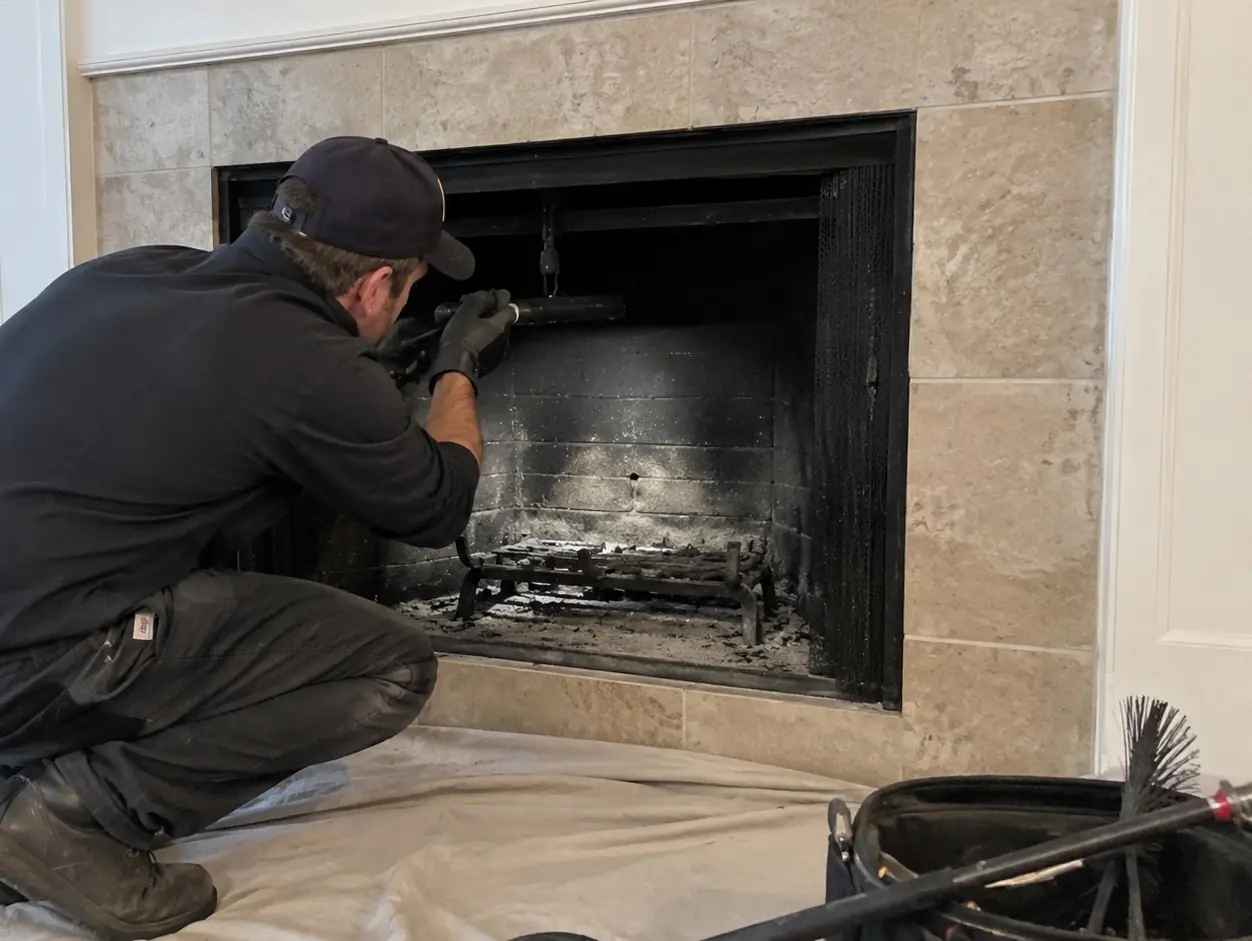
Drop cloths go down and the fireplace opening is sealed to the sweeping equipment. A sweep done properly does not leave soot on the hearth, the floor or the furniture.
-
The flue is swept from the appliance up
Rotary or brush equipment is worked through the full length of the flue, including the smoke chamber and smoke shelf above the damper — the areas most often skipped, and where deposits build up first.
-
Debris is removed under vacuum
Soot and creosote come out into a sealed vacuum rather than into the room.
-
We look at what the sweep uncovered
A clean flue is the only condition in which the liner, joints, damper and smoke chamber can actually be seen. Anything found gets explained to you plainly, with what it means and whether it needs doing now.
If the problem is a draft that never worked, a smell in summer, water coming in, or a flue that has no liner at all, sweeping will not fix it. We will tell you that rather than sell you a sweep. Start with an inspection or read through the common symptoms and what they point to.
Why chimneys here fail the way they do
Much of the housing around Cornwall and the surrounding river towns was built well before modern chimney construction became standard. Older chimneys here commonly have clay tile liners that have cracked or shifted, mortar joints that have been repointed more than once, or no liner at all behind the brick.
The climate does the rest. Masonry absorbs water, and a Hudson Valley winter cycles above and below freezing over and over. Water trapped in brick and mortar expands every time it freezes, and over enough winters the brick face spalls off and the joints open up. A chimney takes the worst of it — it is the only masonry on the house exposed on all four sides above the roofline with no heat behind it.
Heating fuel matters too. Oil and propane heating are common across this part of the valley, and those appliances vent into the chimney. Replacing a furnace or switching fuel usually means the flue no longer suits the appliance attached to it, which is the most common real reason a chimney here needs relining.
There is more plain-English chimney advice here.
Where we work
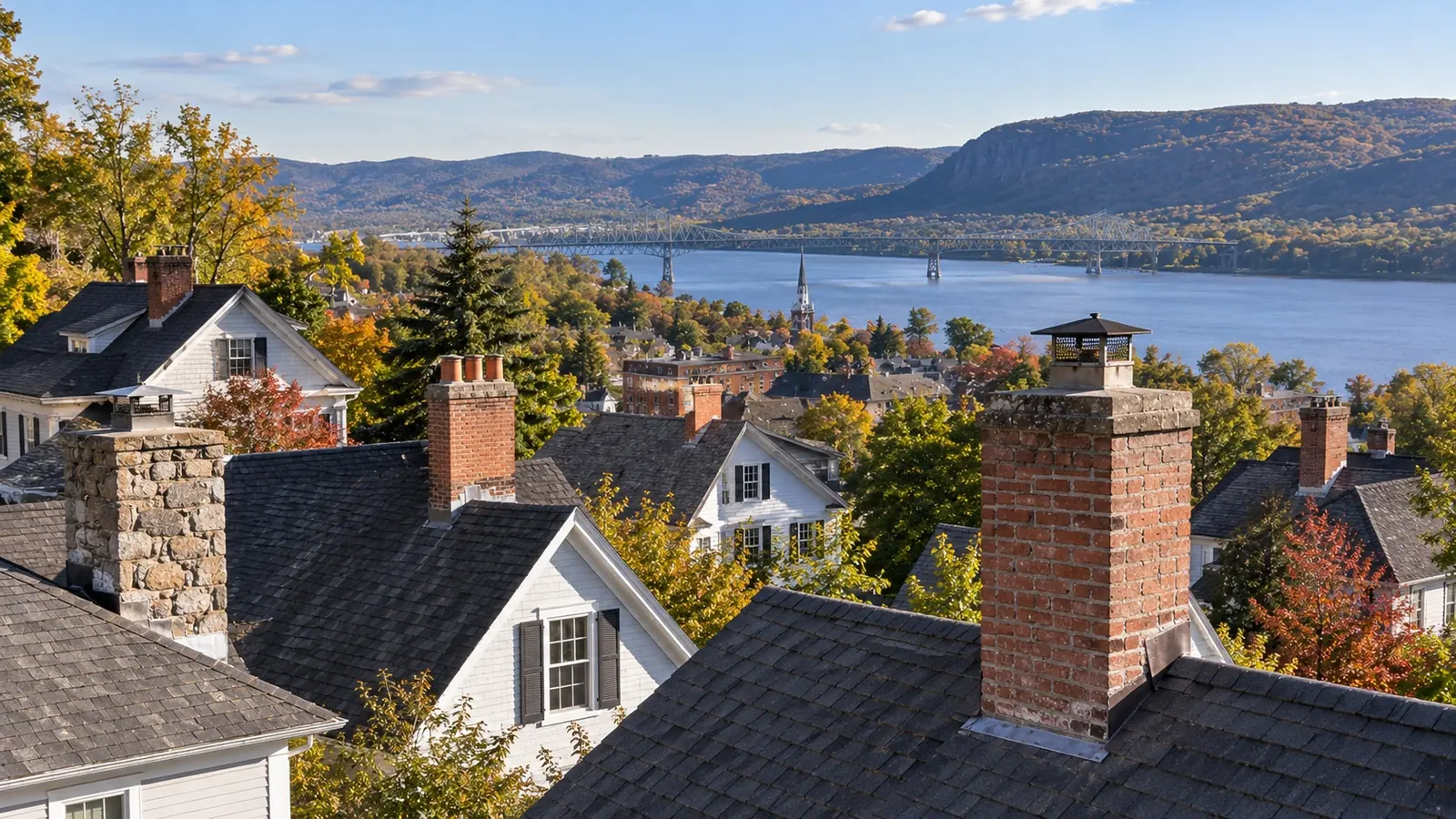
Based in Cornwall, covering the surrounding river towns and the communities inland on both banks of the Hudson. See every town we cover →
- Cornwall-on-Hudson
- New Windsor
- Mountainville
- Salisbury Mills
- West Point
- Highland Mills
- Highland Falls
- Fort Montgomery
- Cold Spring
- Nelsonville
- Garrison
- Central Valley
- Washingtonville
- Woodbury
- Blooming Grove
- South Blooming Grove
- Beacon
- Newburgh
- Balmville
- Gardnertown
- Rock Tavern
- Kiryas Joel
- Bear Mountain
- Harriman
- Fishkill
- Maybrook
Common questions
How much is a chimney inspection?
A chimney inspection is $69. It covers the flue, liner, firebox, damper, smoke chamber and accessible exterior masonry, and you get a plain explanation of anything found.
Do I need a sweep every year?
NFPA 211 — the standard covering chimneys, fireplaces and vents — calls for them to be inspected at least once a year for soundness, freedom from deposits and correct clearances, with cleaning, maintenance and repairs done if necessary. So the annual commitment is the inspection. Whether sweeping is needed at that point depends on how much you burned and what the flue actually looks like inside.
Does a gas appliance need the chimney checked?
Yes. Gas produces far less soot, but gas flue gases carry moisture that attacks mortar joints and liners from the inside, and a blocked or deteriorated flue is a carbon monoxide problem regardless of fuel.
Will sweeping make a mess?
It should not. The fireplace opening is sealed to the equipment and debris is drawn out under vacuum. If a sweep leaves soot in the room, something was done wrong.
My chimney is not used at all. Does it still matter?
An unused flue still lets water in, still houses animals and nests, and still deteriorates. If a heating appliance vents into any flue in the stack, that flue matters year round.
Book a sweep or an inspection
Tell us what the chimney does and what you are seeing, and we will tell you what it needs.